Standout Borderline: A Practical Review of Vintage-Modern Typography
In the crowded landscape of digital design, finding a typeface that bridges the gap between raw authenticity and polished professionalism is increasingly difficult. Many fonts lean too heavily into the decorative, sacrificing readability for style, while others remain so sterile that they fail to convey any brand personality. Standout Borderline enters this space as a bold handwritten display font designed specifically to resolve this tension. It offers a rough texture and a classic vintage vibe, yet it maintains enough structural integrity to function effectively in modern branding contexts. For designers and creators seeking a typeface that feels both timeless and contemporary, understanding the specific utility of Standout Borderline is essential before integrating it into a project.
The Intersection of Hand-Crafted Texture and Modern Balance
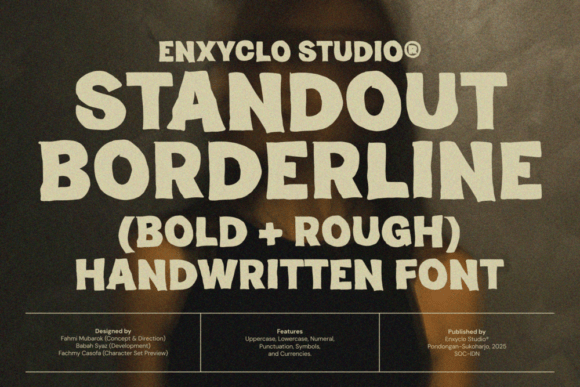
The defining characteristic of Standout Borderline is its ability to combine raw hand-drawn energy with a calm, aesthetic balance. In typography, "handwritten" often implies inconsistency that can be challenging to manage across long text blocks or complex layouts. However, this font distinguishes itself by embedding imperfection within a controlled framework. Each letter carries a handcrafted imperfection that gives the design a warm, personal touch without descending into chaos.
This approach addresses a common pain point for professionals: the need for a font that looks human but behaves like a professional tool. The rough texture mimics the grain of paper or the stroke of a brush, evoking an old-school charm that resonates with audiences who value craftsmanship. Yet, the underlying geometry ensures that the letters align properly and maintain visual weight. This harmony between retro aesthetics and modern appeal makes Standout Borderline particularly valuable for brands that want to appear established and trustworthy while remaining approachable and unique.
Evaluating Visual Consistency and Readability
When assessing a display font, consistency is paramount. While Standout Borderline embraces a rough texture, it does not sacrifice legibility. The strokes are thick and confident, ensuring that the characters remain distinct even at smaller sizes typical of packaging labels or social media graphics. The "borderline" aspect of the name suggests a deliberate edge—a line walked between being too messy and too rigid. In practice, this results in a typeface where the x-height is generous, and the counters (the enclosed spaces within letters) are open enough to prevent visual clutter.
For editorial titles, this balance is crucial. A headline needs to grab attention immediately, and the bold nature of Standout Borderline achieves this through high contrast and distinctive character shapes. Unlike some script fonts that require kerning adjustments on every single word pair, this font offers a level of reliability that streamlines the workflow. Designers can set large headlines quickly, trusting that the internal spacing will hold up under scrutiny. This efficiency is a significant practical advantage when working under tight deadlines or managing multiple brand assets simultaneously.
Practical Applications in Branding and Packaging
The versatility of Standout Borderline extends beyond simple headlines. Its robust structure allows it to perform well in various real-world scenarios, particularly where tactile qualities are implied visually. Packaging design is one of the strongest use cases for this font. Products ranging from artisanal coffee and craft beverages to handmade cosmetics and organic skincare often rely on typography to communicate quality and origin. The rough texture of the font suggests natural ingredients and manual production methods, reinforcing the product's story before the consumer even reads the description.
Logos also benefit significantly from the character and attitude inherent in this typeface. A logo must be memorable and scalable, and Standout Borderline provides a unique silhouette that stands out against competitors using standard sans-serif or serif fonts. The subtle nod to retro craftsmanship wrapped in a modern aesthetic allows businesses to position themselves as heritage brands or modern innovators with deep roots. Whether the goal is to evoke nostalgia or to signal a return to basics, the font adapts to the narrative.
- Editorial Titles: Ideal for magazine covers, blog headers, and book chapter titles where a strong voice is required.
- Packaging Labels: Perfect for jars, bottles, and boxes where a premium, hand-made feel enhances perceived value.
- Brand Logos: Effective for companies in food, beverage, fashion, and creative services seeking a distinct identity.
- Marketing Materials: Suitable for posters, flyers, and social media graphics that need to stop the scroll.
Performance in Digital Environments
While the font has a physical, textured look, it performs reliably in digital environments. Screen rendering can sometimes wash out subtle textures, making them appear muddy or pixelated. Standout Borderline mitigates this risk through its bold stroke weight. Even on mobile devices with varying screen densities, the characters retain their definition. This makes it a safe choice for responsive web design, where typography must adapt to different viewport sizes without losing impact. Furthermore, the font's confidence translates well to video motion graphics, where the movement of the letters can emphasize the hand-drawn energy.
Who Benefits Most from This Typeface?
Standout Borderline is not a universal solution for all text-based needs, but it is an exceptional asset for specific demographics and industries. Entrepreneurs launching lifestyle brands, small business owners in the culinary arts, and freelancers specializing in creative direction will find the most value here. These users often struggle to differentiate their work in saturated markets. A font that turns simplicity into style and calmness into confidence provides a competitive edge.
Marketers and content creators who focus on storytelling will also appreciate the font's emotional resonance. It speaks to an audience aged 20–50 that values authenticity over polish. This demographic is increasingly skeptical of overly corporate messaging; they respond better to brands that feel human and relatable. By using Standout Borderline, these professionals can signal that their brand cares about detail and tradition, even if they are operating in a fast-paced digital economy.
However, there are limitations to consider. Due to its display nature and heavy texture, Standout Borderline is not suitable for body copy or long-form reading. Using it for paragraphs would likely cause eye strain and reduce comprehension. It should be reserved for headlines, pull quotes, and short phrases where its character can shine without overwhelming the reader. Additionally, because of its distinct vintage vibe, it may clash with ultra-minimalist or futuristic design systems that prioritize clean lines and geometric precision.
Long-Term Value and Workflow Integration
From a strategic perspective, investing in a high-quality display font like Standout Borderline offers long-term value. Trends in design shift rapidly, but the appeal of handcrafted aesthetics tends to endure. The "vintage" style is less likely to date quickly compared to trend-specific scripts or neon-glow effects. This longevity means that logos and brand identities built around this font can remain relevant for years with minimal updates.
Integrating Standout Borderline into a workflow is straightforward. It functions as a standard OpenType font, compatible with major design software including Adobe Creative Cloud, Canva, and Figma. There are no complex variable settings or technical hurdles that might slow down a project. The font's consistency allows for rapid prototyping, enabling designers to iterate on concepts quickly. For agencies managing multiple clients, having a reliable, versatile display font in the toolkit reduces the time spent searching for the perfect typeface for each new brief.
Final Considerations for Implementation
Ultimately, the decision to use Standout Borderline should depend on the specific goals of the project. If the objective is to convey strength and softness simultaneously, to blend old-school charm with modern branding appeal, then this font is a compelling choice. It brings character, texture, and attitude to designs that might otherwise feel flat or generic. However, it requires thoughtful pairing with secondary fonts to ensure overall hierarchy and readability. When used correctly, Standout Borderline transforms simple text into a statement of intent, proving that effective design often lies in the balance between imperfection and precision.