Kanjuruhan: A Retro-Sport Typography Revolution for Modern Design
In the vast landscape of digital and print typography, few fonts manage to capture a specific cultural moment while remaining versatile enough for diverse applications. Kanjuruhan stands out as a unique retro-style letter display font that bridges the gap between nostalgic aesthetics and contemporary design needs. Inspired by real events and imbued with an artistic touch, this typeface offers more than just letters; it provides a narrative texture that resonates with audiences seeking authenticity and energy. For designers, brand managers, and content creators, understanding the nuances of Kanjuruhan can unlock new creative possibilities in projects ranging from sport cards to sophisticated website headers.
The Intersection of History and Aesthetics
Typography often serves as a visual shorthand for emotion and context. When a font is described as being inspired by real events, it carries a weight that generic geometric or serif fonts cannot replicate. Kanjuruhan draws its inspiration from significant historical moments, translating the gravity and passion of those events into its unique letter shapes. This connection to reality gives the font a "sports feel" that is both dynamic and grounded. It is not merely a stylistic choice but a thematic one, designed to evoke the spirit of competition, community, and resilience.
The retro style inherent in Kanjuruhan taps into a broader design trend where vintage aesthetics are reimagined for modern contexts. This is not about simply copying old styles but refining them to meet current readability standards and digital requirements. The artistic touch applied to each character ensures that while the font feels familiar, it remains fresh and distinctive. This balance allows it to function effectively as a display font, commanding attention without overwhelming the viewer. Whether used in a brochure or on a screen, the font maintains its structural integrity and emotional resonance.
Decoding the Sport Feel
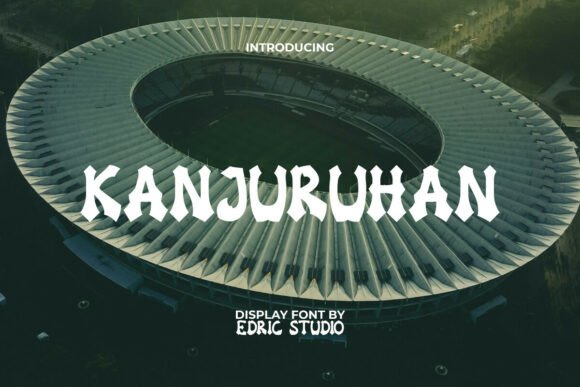
The "sports feel" mentioned in the font's description is achieved through specific typographic characteristics. These include bold strokes, dynamic angles, and a sense of forward momentum in the letterforms. Unlike standard sans-serif fonts that prioritize neutrality, Kanjuruhan introduces personality into every glyph. The curves are sharp yet fluid, mimicking the movement of athletes, while the spacing suggests speed and agility. This makes it particularly suitable for industries related to athletics, fitness, and active lifestyles, but its versatility extends far beyond these niches.
For educators and researchers analyzing design trends, Kanjuruhan represents a case study in how cultural narratives influence visual communication. The font does not just display text; it contextualizes it. When a headline uses Kanjuruhan, it immediately signals to the reader that the content is energetic, impactful, and perhaps rooted in a story of struggle or triumph. This psychological impact is crucial for brands looking to establish an emotional connection with their audience.
Practical Applications Across Industries
One of the most compelling aspects of Kanjuruhan is its adaptability. While its roots lie in sports and history, its application spans a wide array of sectors. Professionals across various fields have found innovative ways to integrate this font into their workflows, proving that a specialized display font can serve broad purposes when used correctly.
Branding and Identity Design
For business owners and entrepreneurs, creating a memorable brand identity is paramount. A logo is often the first point of contact between a company and its potential customers. Using Kanjuruhan for a brand logo can instantly communicate values such as strength, heritage, and dynamism. Startups in the tech sector might use it to suggest innovation with a nod to the past, while traditional businesses might leverage it to highlight their enduring legacy. The unique letter shapes ensure that the logo stands out in a crowded marketplace, avoiding the generic look that plagues many corporate identities.
Beyond logos, the font excels in stationery and business collateral. Business cards, letterheads, and envelopes printed with Kanjuruhan convey a sense of professionalism mixed with creativity. This combination can be particularly effective for agencies, consultancies, and creative firms that want to project an image of being both reliable and forward-thinking.
Publishing and Editorial Design
In the realm of publishing, Kanjuruhan finds a natural home in covers, headers, and headlines. Magazine editors often struggle to find fonts that can grab attention on a newsstand or a digital feed without sacrificing elegance. Kanjuruhan solves this problem by offering high contrast and distinct character. For blogs and websites, using this font for titles and section headers can break up the monotony of standard web typography, guiding the reader's eye through the content hierarchy.
Brochures and posters also benefit significantly from the font's expressive nature. Event organizers, whether planning a local marathon or a global conference, can use Kanjuruhan to create promotional materials that exude excitement. The font's ability to scale well means it looks impressive both in large format prints and smaller digital thumbnails. This scalability is essential in today's multi-channel marketing environment, where consistency across platforms is key.
Creative Arts and Merchandise
Hobbyists and artists frequently turn to Kanjuruhan for personal projects and merchandise. Screen printing t-shirts, designing stickers, and creating custom sport cards are just a few examples of how the font is utilized in the creative arts. The retro aesthetic aligns perfectly with streetwear culture, making it a popular choice for fashion designers looking to add a vintage flair to their collections. Similarly, sticker artists appreciate the bold outlines and clear shapes, which translate well to die-cut formats.
For those involved in screen printing, the font's robust structure ensures that details are preserved even when ink is applied to fabric. This durability in reproduction is a critical consideration for designers working with physical media. The artistic touch of Kanjuruhan adds a layer of sophistication to everyday items, turning a simple t-shirt or sticker into a statement piece.
Strategic Implementation and Workflow Considerations
While Kanjuruhan offers immense creative potential, successful implementation requires a strategic approach. Designers must consider the context in which the font will be used to ensure it enhances rather than detracts from the message. Understanding the limitations and strengths of a display font like Kanjuruhan is essential for maintaining professional quality.
Pairing and Hierarchy
A common mistake when using distinctive display fonts is overuse. Because Kanjuruhan has such a strong personality, it should generally be reserved for headlines, titles, and short bursts of text. Pairing it with a neutral, highly readable sans-serif or serif font for body copy creates a balanced visual hierarchy. This contrast allows the Kanjuruhan elements to pop while ensuring the main content remains accessible. For example, a website header in Kanjuruhan paired with a clean Arial or Open Sans body text creates a harmonious reading experience.
Educators teaching graphic design principles often emphasize the importance of negative space when working with bold typefaces. Kanjuruhan benefits from generous kerning and leading, allowing the unique shapes of the letters to breathe. Crowding the text can obscure the artistic details and reduce legibility, especially at smaller sizes. Designers should experiment with spacing to find the sweet spot where the font's character shines without becoming cluttered.
Digital vs. Print Optimization
The transition from print to digital requires careful consideration of how Kanjuruhan renders on different screens. While the font is designed for versatility, pixel density and rendering engines can affect its appearance. On high-resolution displays, the fine details and artistic touches are preserved beautifully. However, on lower-resolution devices, some subtle features might blur. Testing the font across various devices and browsers is a necessary step in the workflow for web designers.
In print, the choice of paper stock and ink can influence the final output. The bold strokes of Kanjuruhan work well on textured papers, adding depth to the design. Conversely, on glossy finishes, the high contrast can create a striking visual effect. Printers should be consulted regarding the minimum size at which the font remains legible to avoid issues during production.
Accessibility and Inclusivity
As design becomes more inclusive, the accessibility of typography is a growing concern. While Kanjuruhan is primarily a display font, designers should be mindful of its use in contexts where readability is critical for users with visual impairments. Avoiding the use of Kanjuruhan for long paragraphs or small instructional text is a best practice. Instead, reserving it for decorative or emphatic purposes ensures that the design remains accessible to all users. Providing alternative text descriptions for images containing the font can further enhance inclusivity.
The Future of Thematic Typography
The rise of fonts like Kanjuruhan reflects a broader shift in the design industry towards storytelling through type. As consumers become more discerning, they seek brands and content that resonate on an emotional level. Fonts that carry a narrative, inspired by real events or cultural movements, offer a way to connect with audiences on a deeper level. This trend is likely to continue, with more designers exploring the intersection of history, culture, and typography.
Researchers studying the evolution of digital communication may find Kanjuruhan to be a significant marker of this era. It represents a move away from sterile, functional typography towards designs that embrace complexity and emotion. As technology advances, allowing for more interactive and dynamic type, the foundational principles established by fonts like Kanjuruhan will remain relevant. The ability to convey a "sports feel" or a "retro vibe" through static letters demonstrates the enduring power of well-crafted design.
For the future creator, the lesson is clear: typography is not just about arranging letters; it is about curating an experience. By choosing a font like Kanjuruhan, designers participate in a larger conversation about identity, memory, and expression. Whether for a blog post, a brand logo, or a screen-printed poster, the right typeface can transform a simple message into a powerful statement. As we look ahead, the continued exploration of unique, theme-driven fonts will undoubtedly shape the visual language of our time.