Evaluating the Comic Series Typeface for Design Projects
In the realm of digital typography, display fonts serve a specific purpose: to command attention and establish an immediate visual tone. The Comic Series typeface is a bold, heavyweight display sans-serif designed to exude fun, exaggerated, and unmistakable comic book energy. For designers, marketers, and content creators, selecting the right font is a critical decision that impacts readability, brand perception, and user engagement. This evaluation explores the characteristics of Comic Series, its optimal use cases, and the practical considerations required when integrating it into a design workflow.
Understanding the Visual Identity of Comic Series
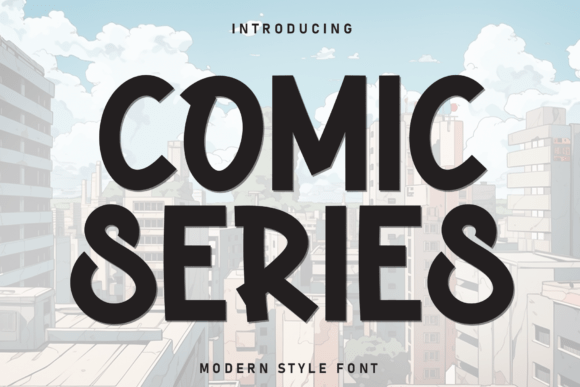
The Comic Series font is defined by its ultra-thick, rounded forms and a distinct, slight wobble in its stroke structure. These stylistic choices are not accidental; they are deliberate attempts to channel nostalgia for classic Saturday morning cartoons and superhero panels. Unlike standard geometric or humanist sans-serifs, which prioritize uniformity and stability, Comic Series embraces irregularity to create a sense of movement and playfulness.
The glyphs are robust and slightly condensed, allowing them to occupy significant horizontal space while maintaining vertical density. This construction makes the typeface inherently loud. When rendered at large sizes, the thick strokes create high-contrast shapes that stand out against complex backgrounds. The rounded terminals soften the impact, preventing the heavy weight from feeling aggressive, instead making it feel approachable and youthful. For projects requiring a modern graphic novel aesthetic, these visual traits provide an instant connection to pop culture history without relying on imagery alone.
Reasons to Consider Comic Series for Your Project
Designers often turn to Comic Series when they need to communicate energy, humor, or excitement. The primary reason to select this typeface is its ability to grab attention immediately. In a crowded visual landscape, such as a social media feed or a retail poster, the exaggerated proportions of Comic Series cut through the noise effectively.
Furthermore, the font serves as a strong tool for thematic consistency. If a project involves children's entertainment, gaming, or pop art, using a typeface that mimics the style of traditional comic lettering reinforces the subject matter. It bridges the gap between the content and the audience's expectations. For instance, a game title rendered in Comic Series instantly signals to the player that the experience will likely be lighthearted, action-oriented, or whimsical. Similarly, on children's book covers, the font acts as a visual cue that the story inside is accessible and fun.
Benefits and Tradeoffs of Heavyweight Display Fonts
While the visual impact of Comic Series is undeniable, there are inherent tradeoffs associated with its design. The most significant benefit is its versatility in branding for youth-oriented markets. Its bold nature ensures legibility even at small scales on mobile devices, provided the text remains short. The rounded forms also contribute to a friendly brand personality, which can be crucial for companies aiming to appear non-threatening and engaging.
However, the tradeoff lies in readability over extended periods. The slight wobble and ultra-thick strokes that make Comic Series effective for headlines can cause eye strain if used for body copy. The irregular spacing and condensed width reduce the white space between letters, making it difficult for the eye to track lines of text. Additionally, the "fun" aesthetic may clash with brands that require a tone of authority, sophistication, or minimalism. Using Comic Series in a corporate financial report or a luxury fashion campaign would likely undermine the intended message, creating a disconnect between the visual presentation and the brand values.
Ideal Use Cases and Situational Fit
To maximize the effectiveness of Comic Series, it should be reserved for situations where high-impact visual storytelling is the primary goal. The following scenarios represent the strongest fits for this typeface:
- Game Titles and Logos: The energetic quality of the font complements video game branding, particularly in genres like platformers, RPGs, or casual mobile games.
- Children's Book Covers: The playful appearance aligns perfectly with illustrations and stories aimed at young readers.
- Vibrant Posters and Event Flyers: For concerts, festivals, or community events targeting a younger demographic, the font helps convey excitement.
- Pop Art and Graphic Design: Artists creating work inspired by comic books or retro animation can use Comic Series to maintain stylistic integrity.
- Social Media Headers: Short, punchy captions or overlay text on videos benefit from the font's ability to stand out quickly.
In each of these contexts, the text is typically brief, allowing the viewer to process the message before moving on. The font functions as a visual hook rather than a vehicle for detailed information.
When to Consider Alternatives
There are specific situations where alternatives to Comic Series are worth considering. If the design requires more than three or four words of text, a more legible sans-serif or serif font is preferable. For example, website navigation menus, article subheadings, or product descriptions demand clarity and neutrality. In these instances, a standard grotesque sans-serif or a clean humanist font would ensure better user experience.
Additionally, consider the longevity of the design. While Comic Series evokes nostalgia, trends in typography shift. A font that feels "modern" today might appear dated in a few years if it relies too heavily on a specific cartoonish trope. For brands looking to build a timeless identity, a more versatile font family that offers multiple weights and styles may be a safer investment. If the project targets a global audience, the exaggerated shapes of Comic Series might also pose challenges in translation or localization, as some languages do not render well with highly stylized, condensed glyphs.
Practical Decision-Making Insights
When deciding whether Comic Series aligns with your goals, apply a simple test: does the font support the message, or does it distract from it? If the goal is to inform, educate, or convey serious news, the playful nature of Comic Series is likely a hindrance. However, if the goal is to entertain, excite, or evoke a specific nostalgic feeling, the font becomes a strategic asset.
It is also important to consider pairing. Because Comic Series is so dominant, it should rarely be paired with another display font. Instead, balance it with a neutral, lightweight sans-serif for body text. This contrast allows the Comic Series to shine in headlines while ensuring the rest of the content remains readable. Furthermore, always test the font across different mediums. What looks vibrant on a digital screen may lose definition when printed on textured paper or viewed from a distance on a billboard.
Conclusion
The Comic Series typeface is a powerful tool for designers seeking to inject energy and character into their work. Its bold, rounded, and slightly imperfect forms make it an excellent choice for game titles, children's literature, and pop art designs where a youthful, comic book aesthetic is desired. However, its utility is limited to short-form, high-impact applications. By understanding its strengths in grabbing attention and its limitations regarding long-form readability, designers can make informed decisions about when to deploy Comic Series and when to opt for more conventional alternatives. Ultimately, the success of any design project depends on aligning the typographic choice with the intended audience and the core message being conveyed.