Evaluating The Last Visitor Font for Design Projects
In the landscape of digital typography, display serifs often serve as the visual anchor for a project, setting the tone before a single word is read. The Last Visitor is a specific typeface designed to occupy this role with a distinct aesthetic profile. It combines dramatic curves and sharp details to create an atmosphere that feels both elegant and unsettling. For designers, editors, and content creators, understanding whether this font aligns with their specific project requirements involves looking beyond its initial visual impact to consider its technical specifications, versatility, and appropriate use cases.
Understanding the Aesthetic and Purpose
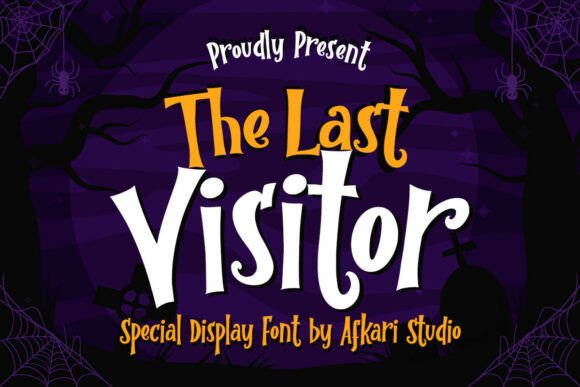
The Last Visitor is categorized as a special display serif. Unlike standard text fonts intended for long-form reading, display fonts are engineered for headlines, titles, and short bursts of text where visual impact is the primary goal. The design philosophy behind The Last Visitor leans heavily into a cinematic atmosphere. It blends the structural integrity of classic serifs with exaggerated features that introduce a sense of mystery and suspense.
The letterforms feature unique accents and high-contrast strokes. These elements work together to create a "haunting" presence, making the typeface particularly effective for projects requiring a strong, memorable identity. Whether the context is a horror-themed graphic novel cover, a thriller movie poster, or an editorial headline exploring dark subject matter, the font's inherent tension can reinforce the narrative. However, this intensity means it is not a neutral choice; it carries a specific emotional weight that must be considered during the selection process.
Technical Specifications and Compatibility
When evaluating a font for professional use, technical robustness is just as critical as visual appeal. The Last Visitor offers a comprehensive set of files and encoding options that facilitate broad usage across different platforms and software environments.
- File Formats: The package includes OpenType (OTF), TrueType (TTF), WOFF, and WOFF2 formats. This variety ensures compatibility with desktop publishing applications, web browsers, and mobile devices.
- Character Set: Users receive access to uppercase and lowercase letters, numbers, and standard punctuation. Crucially, the font includes special alternates and ligatures, which allow for customized styling in specific words or phrases.
- Software Integration: The typeface is accessible in major industry-standard tools such as Adobe Illustrator, Adobe Photoshop, and Adobe InDesign. It also functions correctly within Microsoft Word, making it viable for non-designers creating documents or presentations.
- Encoding: The font utilizes PUA (Private Use Area) encoded characters. This means special glyphs are fully accessible without requiring additional design software or complex installation procedures.
- Linguistic Support: There is multi-language support included, covering characters necessary for languages using diacritics such as ä, ö, ü, ß, ¿, and ¡. This expands the potential audience for publications utilizing this typeface.
Benefits and Strategic Advantages
For projects that require immediate visual engagement, The Last Visitor offers several distinct advantages. Its primary benefit lies in its ability to establish a mood instantly. The sharp details and dramatic curves provide a level of sophistication that generic horror fonts often lack. Instead of relying on clichéd imagery like dripping blood or jagged edges, this font achieves its eerie effect through refined typography, resulting in a more polished and professional look.
The inclusion of special alternates and ligatures adds a layer of customization. Designers can swap specific characters to break up repetitive patterns or add unique flair to brand names and logos. Furthermore, the wide range of file formats ensures that the font can be deployed consistently from print media to responsive web design. The multi-language support is another significant asset for international projects, allowing for consistent branding across different linguistic markets without losing the distinctive character of the typeface.
Tradeoffs and Considerations
While The Last Visitor is powerful, it is not without limitations. As a display font, it is generally unsuitable for body text. The high contrast and decorative elements that make it striking in headlines can reduce legibility when used in paragraphs or dense blocks of information. Attempting to use it for long-form content may lead to reader fatigue and a breakdown in communication.
Additionally, the intense and mysterious nature of the font makes it a polarizing choice. It may clash with brands or projects that aim for a friendly, approachable, or minimalist aesthetic. If the goal is to convey trust, warmth, or neutrality, this typeface might send conflicting signals. Designers must also consider the context of the medium; while it excels on posters and covers, its intricate details may get lost at very small sizes on low-resolution screens.
Ideal Use Cases vs. Alternatives
To determine if The Last Visitor is the right tool, one must evaluate the specific goals of the project. It is a strong fit for:
- Horror and Thriller Media: Book covers, movie posters, and event flyers where suspense is central.
- Editorial Headlines: Magazine articles or blog posts dealing with crime, mystery, or the supernatural.
- Branding for Niche Markets: Logos for gothic fashion, haunted attractions, or mystery gaming clans.
- Cinematic Graphics: Title sequences or promotional materials that require a dramatic, film-noir feel.
Conversely, alternatives should be considered in the following situations:
- Body Copy: If the text needs to be readable in large volumes, a clean sans-serif or a traditional text serif is more appropriate.
- Corporate or Medical Branding: Industries requiring clarity, safety, and neutrality should avoid the ominous undertones of this font.
- Minimalist Designs: Projects with ample white space and simple aesthetics may find the ornate details of The Last Visitor too heavy or distracting.
- Children's Content: The eerie atmosphere is likely inappropriate for educational materials or entertainment aimed at young audiences.
Decision-Making Insights
Selecting a typeface is a strategic decision that impacts how an audience perceives a message. When considering The Last Visitor, ask whether the project requires a visual identity that is sophisticated yet unsettling. If the answer is yes, and the text usage is limited to headlines or short phrases, this font provides a cohesive style that balances elegance with suspense.
However, if the project demands versatility across different tones or extensive readability, the limitations of a display serif become apparent. It is advisable to test the font in the actual layout environment before finalizing the design. Check how the ligatures render at different sizes and ensure the multi-language characters display correctly on all intended devices. By weighing the dramatic benefits against the constraints of legibility and tonal appropriateness, designers can make an informed choice about whether The Last Visitor serves their specific creative needs.