Sweet Lovely: The Definitive Guide to a Soft and Rounded Display Font
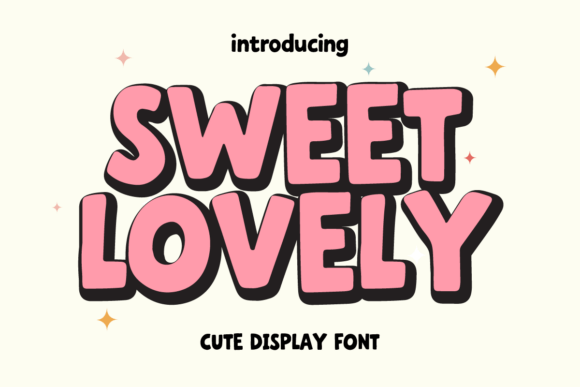
In the vast landscape of digital typography, where geometric sans-serifs and sharp serifs often dominate professional interfaces, there remains a distinct and vital niche for typefaces that evoke emotion through softness. Sweet Lovely is a prime example of this category, serving as a cute display font with a soft, rounded style that bridges the gap between legibility and whimsy. Unlike standard utility fonts designed purely for information density, Sweet Lovely is engineered to convey warmth, approachability, and charm. It is a tool for designers who understand that the shape of a letter can be just as communicative as the word it forms.
The visual identity of Sweet Lovely is defined by its playful curves and bold letters. These characteristics are not merely decorative; they serve a functional purpose in establishing an immediate emotional connection with the viewer. When a user encounters text rendered in this typeface, the absence of sharp angles signals safety, friendliness, and comfort. This makes it an exceptional choice for contexts where the primary goal is to make the audience feel welcomed rather than instructed.
The Anatomy of Approachable Typography
To understand why Sweet Lovely resonates so effectively, one must examine its structural components. The font utilizes a high x-height and generous spacing, which contributes to its readability even at smaller sizes. However, the defining feature is the rounding of terminals and junctions. In traditional typography, sharp corners can imply precision or authority. In contrast, the rounded edges found in Sweet Lovely mimic organic forms found in nature and childhood illustrations.
This soft, rounded style creates a visual texture that feels tactile. Even on a digital screen, the eye perceives these curves as smooth and gentle. The bold weight of the characters ensures that the message stands out without feeling aggressive. This balance allows the font to maintain clarity while delivering a specific aesthetic vibe. It is easy to read at any size, a critical factor for a display font that might be used for both large headlines on posters and small captions on social media graphics.
Visual Hierarchy and Emotional Impact
When integrating Sweet Lovely into a design workflow, the emotional impact should guide the hierarchy. Because the font naturally draws attention due to its unique character, it is best utilized for headings, pull quotes, and key phrases. It acts as a visual anchor that sets the tone for the rest of the content. If a project requires a serious, data-heavy narrative, pairing Sweet Lovely with a neutral sans-serif body font creates a harmonious contrast. The bold letters of the display font grab the reader's interest, while the softer body text delivers the necessary details without overwhelming the senses.
The "lovely" aspect of the name is not just marketing; it describes the psychological response the typeface elicits. Research in environmental psychology suggests that rounded shapes are processed by the brain as non-threatening and inviting. By applying this principle to typography, creators can subtly influence how their message is received. Whether for a brand trying to appear more human-centric or an educator creating a welcoming classroom environment, the choice of font plays a pivotal role in setting the stage.
Practical Applications Across Industries
The versatility of Sweet Lovely extends far beyond simple decoration. Its ability to look adorable on mugs, tote bags, t-shirts, stickers, greeting cards, and social media posts makes it a staple for product-based businesses and independent creators. The font scales well across various mediums, maintaining its integrity whether printed on a textured paper card or embroidered onto fabric.
Merchandise and Apparel Design
In the realm of merchandise, the trend toward "cute" aesthetics has driven significant demand for typefaces like Sweet Lovely. On t-shirts and tote bags, the bold letters ensure visibility from a distance, while the playful curves add a layer of personality that generic fonts lack. For small business owners selling handmade goods, using this font can differentiate their products in a crowded marketplace. A sticker featuring a sweet quote in this typeface instantly communicates a friendly brand ethos, appealing to collectors and casual buyers alike.
Consider a coffee shop branding its morning specials. Using Sweet Lovely for the menu board or promotional cups creates an inviting atmosphere before the customer even takes a sip. The font suggests that the experience will be warm and lovely, aligning the physical product with the desired emotional state of the consumer.
Digital Presence and Social Media
Social media platforms are visually saturated, requiring content to stand out within milliseconds. Sweet Lovely is particularly effective here, especially when you want a warm and lovely feeling in your feed. Instagram stories, Pinterest pins, and Facebook cover photos benefit from the font's high contrast and engaging style. It works exceptionally well for romantic quotes, lifestyle blogs, and influencer content where authenticity and relatability are paramount.
For digital marketers, the font offers a way to humanize brand communication. Instead of corporate speak delivered in a sterile font, a campaign using Sweet Lovely feels personal and curated. It is ideal for Valentine’s cards, anniversary announcements, or any seasonal promotion that relies on affection and connection. The font's readability ensures that the call-to-action remains clear, even as the design leans into a more decorative style.
Strategic Use in Education and Community Spaces
Educators and community organizers have increasingly recognized the power of typography in shaping learning environments. Classroom decorations play a crucial role in making students feel safe and engaged. Sweet Lovely is perfect for kids projects, bulletin boards, and instructional materials. The soft lines reduce visual stress for young learners, making text less intimidating and more inviting.
In early childhood education, the transition from picture-based learning to text-based literacy is a critical milestone. Fonts that resemble handwriting or playful drawings can bridge this gap. Sweet Lovely, with its friendly appearance, encourages children to interact with words. It transforms a worksheet or a poster from a chore into a discovery. Furthermore, for special education settings where sensory processing is a concern, the lack of sharp angles in this font can contribute to a calmer visual environment.
Beyond the classroom, community centers and libraries use similar typographic strategies to welcome diverse populations. A sign welcoming visitors to a local event center in Sweet Lovely immediately lowers barriers, signaling that the space is open and inclusive. It is a subtle but powerful tool for community building, reinforcing the idea that everyone is welcome.
Design Considerations and Best Practices
While Sweet Lovely is highly versatile, it is not a one-size-fits-all solution. As a display font, it is intended for short bursts of text rather than long paragraphs. Overuse can lead to visual fatigue, diminishing the charm that makes it effective. Designers must exercise restraint, using the font to highlight key messages while relying on more neutral typefaces for body copy.
Contrast is another essential consideration. Because the font features bold letters and thick strokes, pairing it with very thin or delicate secondary fonts can create an imbalance. Instead, opt for medium-weight sans-serifs or clean slabs that complement the roundness without competing for attention. Color also plays a significant role; pastel palettes often enhance the soft, rounded style, while high-contrast combinations like black and white can emphasize the bold geometry of the characters.
Accessibility is a critical factor in modern design. While Sweet Lovely is easy to read at any size due to its open counters and clear structure, designers should always test legibility against various backgrounds. Ensuring sufficient color contrast ratios is necessary to meet accessibility standards, regardless of how charming the font may be. The goal is to create designs that are not only beautiful but also inclusive and usable for everyone.
Branding and Identity Development
For business owners looking to establish a unique brand voice, typography is a foundational element. Branding for cute shops, boutiques, and lifestyle services often hinges on the ability to project a specific personality. Sweet Lovely serves as an instant identifier for brands that prioritize kindness, creativity, and fun. It signals to the consumer that the brand values connection over transaction.
When developing a logo or brand mark, the playful curves of this font can define the entire visual language. A bakery, a toy store, or a pet grooming salon can leverage the font to create a cohesive identity across all touchpoints. From the storefront signage to the packaging labels, consistency in using this style reinforces the brand promise. It tells a story of care and attention to detail, qualities that resonate deeply with modern consumers seeking authentic experiences.
Furthermore, the font's adaptability allows for creative variations. Designers can manipulate spacing, apply gradients, or combine it with illustrative elements to create unique compositions. This flexibility ensures that even as trends evolve, the core essence of the brand remains recognizable and relevant. The font acts as a timeless vessel for the brand's values, capable of growing and adapting alongside the business.
Creative Workflows and Implementation
Integrating Sweet Lovely into a creative workflow requires a thoughtful approach to asset management and layout planning. Designers should consider the context of the final output early in the process. Is the project print-based, requiring high-resolution vector files? Or is it digital, needing optimized web fonts? Understanding the technical requirements ensures that the font renders correctly across all devices and formats.
Collaboration is also key. When working with clients or teams, explaining the rationale behind choosing a font like Sweet Lovely can help manage expectations. It is important to articulate how the font supports the project's goals, whether that is increasing engagement on social media or creating a welcoming atmosphere in a physical space. By framing the font choice as a strategic decision rather than a stylistic whim, designers can build stronger partnerships and deliver more impactful results.
Ultimately, the success of any design project lies in its ability to communicate effectively. Sweet Lovely offers a unique combination of form and function, providing a tool that is both aesthetically pleasing and practically useful. Whether for a personal hobby, a professional campaign, or an educational initiative, this font empowers creators to add a fun and lovely touch to their work. In a world that often feels harsh and hurried, the ability to inject warmth and charm into our visual communications is more valuable than ever.