Pirate Hunter: A Sweet Handwritten Display Font
In the vast landscape of digital typography, where sleek sans-serifs and rigid serifs often dominate professional screens, there is a distinct hunger for personality. Pirate Hunter answers this call not with aggression or adventure, but with an unexpected twist: a captivating blend of charm and friendliness encapsulated in a handwritten display font. Meticulously designed to radiate a sweet, fun aesthetic, it stands apart as a tool that prioritizes emotional connection over sterile precision. For anyone looking to infuse their work with an authentically warm, personal touch, understanding what makes this typeface tick is the first step toward unlocking its potential.
The Essence of Pirate Hunter
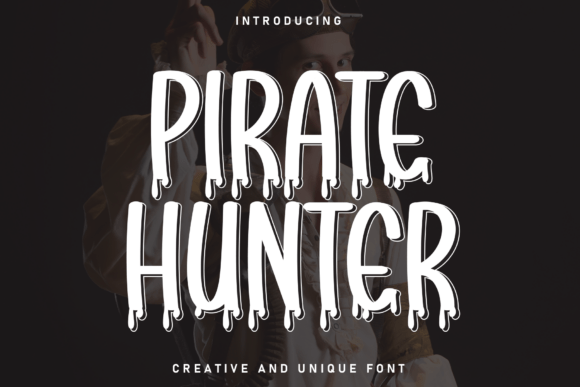
At its core, Pirate Hunter is more than just a collection of characters; it is a vibrant, exuberant spirit captured in ink. Unlike standard fonts that aim for invisibility, allowing text to simply convey information, this display font demands attention through its playful curves and irregular spacing. It mimics the natural flow of a human hand, complete with the slight imperfections that make handwriting feel intimate and genuine. The design philosophy behind it focuses on creating a colorful injection into any project, making it an ideal choice for crafting intimate wedding invitations, cheerful greeting cards, or any design yearning for a break from the conventional.
This font epitomizes a style that feels approachable and inviting. When you see a headline written in Pirate Hunter, it doesn't feel like a corporate mandate; it feels like a note from a friend. This distinction is crucial in a digital age where audiences are increasingly skeptical of polished, mass-produced content. By choosing a typeface that looks hand-crafted, creators can signal authenticity, warmth, and a willingness to engage on a human level.
Why Different Audiences Care
The appeal of a font like Pirate Hunter varies significantly depending on who is using it and why. While a graphic designer might appreciate its technical versatility, a small business owner might value its ability to build brand trust. Understanding these nuances helps clarify whether this specific aesthetic aligns with your current goals.
For Beginners and Hobbyists
For those just starting their creative journey, the barrier to entry is often the fear of making something look "amateur." Paradoxically, Pirate Hunter turns this fear into an asset. Because it is designed to look handwritten, it naturally forgives layout inconsistencies that might ruin a structured serif font. Beginners can use it to create social media graphics, birthday cards, or scrapbook headers without needing advanced kerning skills. The font does the heavy lifting regarding character, allowing novices to produce designs that look intentional and charming rather than messy.
For Professionals and Designers
Experienced designers often seek tools that offer flexibility and distinctiveness. In a portfolio saturated with geometric minimalism, Pirate Hunter offers a unique voice. Professionals might use it sparingly—as a headline paired with a clean body font—to draw the eye immediately. Its engaging platform allows creativity to thrive in projects requiring a sense of whimsy, such as children's book covers, boutique branding, or event signage. For the pro, the value lies in the font's ability to instantly set a mood that takes hours to achieve with custom illustration.
For Entrepreneurs and Small Business Owners
Small businesses, particularly those in the lifestyle, food, or service sectors, rely heavily on perception. A bakery, a florist, or a wedding planner needs to communicate care and attention to detail. Using Pirate Hunter on packaging, menus, or business cards signals that the business is run by people who value personal relationships. It transforms a transactional interaction into a welcoming experience. For entrepreneurs, the priority is often commercial value: does this font help sell? In niches where warmth is a selling point, the answer is frequently yes.
For Educators and Marketers
Educators and marketers face the challenge of engagement. In classrooms or email campaigns, dry text can lead to disengagement. Pirate Hunter injects energy into educational materials, worksheets, or promotional flyers, making them feel less like assignments and more like invitations to explore. Marketers might leverage its cheerful nature for seasonal campaigns, summer sales, or community events where a relaxed, friendly tone is essential to conversion.
Evaluating Priorities and Use Cases
Deciding if Pirate Hunter is the right fit requires weighing several practical priorities against your specific project needs.
- Ease of Use: Is the font legible at various sizes? While excellent for headlines and medium-sized text, handwritten display fonts can sometimes struggle in very small body copy. Users should test readability before committing to large blocks of text.
- Creativity vs. Clarity: Does the project need to be read quickly or felt deeply? If speed of reading is paramount, a simpler font may be better. If the goal is to evoke emotion, Pirate Hunter excels.
- Cost and Licensing: For freelancers and publishers, understanding the licensing terms is vital. Can this font be used for commercial products like t-shirts or logos? Ensuring the license matches the intended output prevents legal headaches down the line.
- Long-Term Usefulness: Trends in design shift, but the desire for human connection remains constant. Fonts that capture a timeless, hand-drawn quality often have a longer shelf life than those chasing fleeting trends.
Practical Examples in Action
To visualize how Pirate Hunter functions across different scenarios, consider these practical applications:
- The Wedding Invitation: A couple planning an intimate garden wedding wants their invites to reflect their joyful personalities. Instead of traditional script, they choose Pirate Hunter for the header "You Are Invited," pairing it with a simple serif for the details. The result is a card that feels like a personal letter rather than a printed form.
- The Coffee Shop Menu: A local café wants to update its chalkboard menu design for their website. They use the font for the daily specials section. The playful strokes suggest freshness and homemade quality, encouraging customers to try new items.
- The Blog Header: A lifestyle blogger writing about parenting finds her current site too stiff. She switches her post titles to Pirate Hunter. The change immediately softens the tone, making the blog feel like a supportive community hub rather than a news outlet.
- The Teacher's Worksheet: An elementary school teacher creates a reading comprehension worksheet. By titling the activity with this cheerful font, she reduces student anxiety and frames the task as a fun challenge rather than a test.
Determining Your Fit
Ultimately, the decision to use Pirate Hunter comes down to alignment with your project's soul. If your goal is to project authority, cold efficiency, or high-tech innovation, this font may clash with your message. However, if you are aiming for intimacy, joy, and a vibrant, exuberant spirit, it offers an engaging platform for your creativity to thrive.
Whether you are a freelancer building a portfolio, a publisher designing a children's series, or a hobbyist sending holiday cards, the key is intentionality. Ask yourself: Does my audience need to feel welcomed? Do I want my design to smile back at them? If the answer is yes, then this meticulously designed typeface could be the perfect companion for your next creation. With Pirate Hunter at your fingertips, your distinctive design creations will be infused with that rare, authentically warm touch that resonates long after the screen is turned off.