Rosy: A Handwritten Font for Modern Design
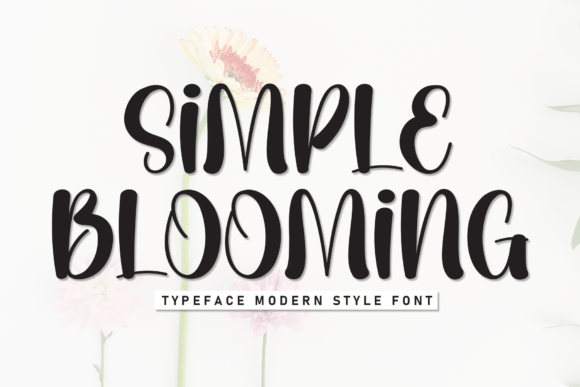
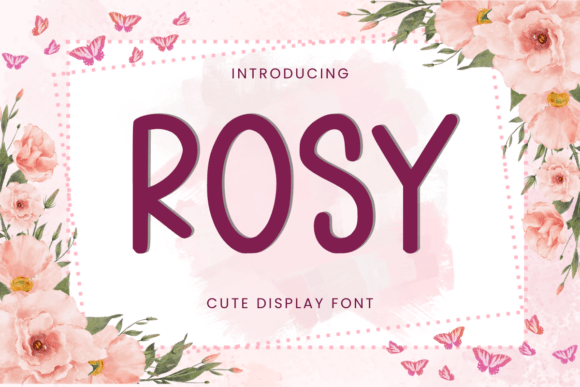
In the crowded landscape of digital communication, the most effective designs often feel less like polished advertisements and more like genuine human connections. This is where Rosy steps in as a transformative tool for designers seeking to inject warmth and personality into their visual narratives. As a simple and cute handwritten font inspired by natural handwriting, Rosy bridges the gap between professional polish and approachable charm. Its rounded and friendly look makes it an exceptional choice for anyone looking to soften their brand voice while maintaining high-quality aesthetic standards.
The Role of Handwritten Typography in Visual Identity
Modern graphic design trends are increasingly shifting away from rigid, geometric sans-serifs toward typefaces that evoke emotion and authenticity. In this context, Rosy serves as more than just a decorative element; it is a strategic asset for building a cohesive brand identity. When applied correctly, a font with organic curves can significantly enhance user engagement by making content feel more accessible and relatable. Whether you are working on logo design, packaging design, or web design, the right typography sets the tone for how your audience perceives your message.
For brands targeting lifestyle, wellness, education, or family-oriented markets, the visual hierarchy created by Rosy can guide the viewer's eye gently through complex information without feeling overwhelming. The font's inherent friendliness aligns perfectly with current design trends that prioritize empathy and connection over cold corporate messaging. By integrating Rosy into your creative assets, you signal to your audience that your brand values human touchpoints and personal expression.
Practical Applications Across Media
The versatility of Rosy extends far beyond simple text overlays. Its clean structure and legible curves make it suitable for a wide array of creative projects where readability meets style. Here are key areas where this font excels:
- Branding and Marketing: Use Rosy for headlines on social media graphics, greeting cards, and advertising campaigns to create an instant emotional hook. It works beautifully alongside bold, modern sans-serifs to establish a dynamic contrast.
- Digital Products and UI/UX: In UI design and UX design, subtle touches of handwritten type can humanize interfaces. Consider using it for call-to-action buttons, error messages, or welcome screens in apps and websites to reduce friction and increase comfort.
- Print and Editorial Design: From KDP interiors and journals to planners and diaries, Rosy enhances the tactile experience of reading. It is ideal for sticky notes, headers in magazines, and editorial layouts that require a personal diary-like feel.
- Merchandise and DIY Crafts: For physical products like tumblers, stickers, and sublimation projects, the font's rounded forms scale well without losing clarity. It adds a premium yet playful touch to DIY crafts and custom merchandise.
Optimizing Your Design Workflow with Rosy
To maximize the impact of Rosy in your design workflow, it is essential to consider factors such as scalability, color palette compatibility, and audience expectations. While the font is inherently cute, its effectiveness relies on thoughtful application. Avoid using it for large blocks of body text, as handwritten styles can become difficult to read at small sizes or in dense paragraphs. Instead, reserve Rosy for headlines, pull quotes, and accent text where its personality can shine without compromising legibility.
When pairing Rosy with other elements, focus on creating a balanced visual hierarchy. Contrast the softness of the font with sharper, structured shapes or minimalist imagery to prevent the design from appearing too childish. In terms of color palette, Rosy pairs exceptionally well with pastels, warm neutrals, and vibrant accents, allowing you to tailor the mood from cozy and intimate to energetic and fun. Always test your designs across different mediums—digital screens versus print—to ensure the strokes remain crisp and the kerning feels natural.
Ensuring Consistency and Professionalism
A common pitfall when using decorative fonts is inconsistency. To maintain a professional presentation, establish clear guidelines for how Rosy is used within your brand system. Define specific use cases, such as "headlines only" or "accent text under 24pt," to ensure uniformity across all marketing materials. This discipline ensures that while your brand feels personal, it remains organized and trustworthy. Furthermore, consider the cultural context of your audience; a handwritten style may convey creativity in one market but informality in another. Understanding these nuances allows you to leverage Rosy effectively for global digital marketing strategies.
Ultimately, the power of a font like Rosy lies in its ability to transform standard communication into a memorable experience. By choosing quality creative assets and applying them with intention, designers can elevate their work from merely functional to truly inspiring. Whether you are crafting a birthday invitation, designing a new app interface, or developing a comprehensive brand strategy, the right typographic choices can define the success of your project. Embrace the warmth of natural handwriting to create designs that not only look beautiful but also resonate deeply with your audience.