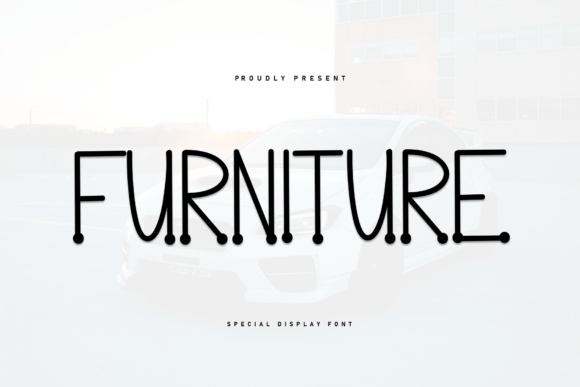
Furniture: The Heartfelt Handwritten Display Font for Modern Design
In the vast landscape of digital typography, where geometric sans-serifs and rigid serifs often dominate corporate communications, there exists a niche that celebrates the imperfection of the human hand. Furniture is not merely a font; it is a charming handwritten display typeface filled with a sense of heartfelt perfection. Its smooth strokes and organic lines evoke a relaxed atmosphere, making it an ideal choice for designers seeking to infuse warmth and authenticity into their projects. Whether used for branding, invitations, or social media graphics, this typeface bridges the gap between professional polish and personal touch.
The Essence of Organic Typography
To understand the unique appeal of Furniture, one must first appreciate the philosophy behind organic typography. Unlike system fonts generated by strict mathematical algorithms, handwritten display fonts mimic the natural flow of ink on paper. They capture the subtle variations in pressure, speed, and angle that occur when a person writes. This inherent variability creates a visual rhythm that feels alive and breathing.
Furniture excels in this regard by balancing legibility with artistic flair. It avoids the chaotic messiness often associated with amateur handwriting while retaining the soulful character of a genuine script. The result is a typeface that feels approachable yet refined. For beginners in design, understanding this distinction is crucial. A font like Furniture does not just convey information; it conveys emotion. It suggests that the message was crafted with care, inviting the reader to slow down and engage more deeply with the content.
Why "Heartfelt Perfection" Matters in Design
The term "heartfelt perfection" might seem contradictory at first glance. Perfection is often associated with symmetry and uniformity, while "heartfelt" implies human vulnerability and uniqueness. However, in the context of the Furniture font, these concepts merge seamlessly. The perfection lies not in the mechanical precision of every letter, but in the harmonious composition of the entire word. Each stroke flows naturally into the next, creating a cohesive unit that feels intentional and complete.
This quality is particularly significant in an era dominated by digital communication. As screens become our primary window to the world, audiences are increasingly craving authentic connections. A brand that uses a cold, robotic font may appear efficient, but a brand that utilizes a warm, handwritten style like Furniture signals empathy and humanity. It tells the audience, "We are real people, and we value you."
Practical Applications in Modern Life and Business
The versatility of Furniture makes it a powerful tool across various sectors. Its relaxed atmosphere allows it to adapt to different contexts without losing its core identity. Below, we explore how this typeface fits into modern life, work, and creativity.
Brand Identity and Logo Design
For small businesses, startups, and creative agencies, establishing a memorable brand identity is paramount. A logo serves as the face of a company, and the typography chosen can define its personality. Furniture is an excellent choice for brands in industries such as:
- Coffee Shops and Bakeries: The organic lines suggest artisanal quality and a cozy environment.
- Boutique Fashion Brands: It evokes a sense of luxury and exclusivity without being overly formal.
- Lifestyle and Wellness Coaches: The relaxed vibe aligns perfectly with themes of mindfulness and self-care.
When used in a logo, Furniture helps a business stand out in a crowded marketplace. It transforms a simple name into a visual story, suggesting that the brand values craftsmanship and personal attention.
Invitations and Stationery
Perhaps no other application suits Furniture better than event invitations. Weddings, baby showers, birthday parties, and intimate gatherings all benefit from the elegance of a handwritten style. In these scenarios, the invitation sets the tone for the entire event.
Using a standard serif or sans-serif font can feel impersonal, almost like a mass-produced flyer. In contrast, Furniture brings a sense of occasion. It mimics the traditional art of calligraphy, implying that the recipient has been personally invited. The smooth strokes ensure that even complex names and addresses remain readable, while the organic nature adds a decorative flourish that enhances the overall aesthetic.
Social Media Graphics and Digital Content
In the fast-paced world of social media, capturing attention within seconds is critical. Text overlays on Instagram stories, Pinterest pins, or TikTok videos need to be both eye-catching and easy to read. Furniture offers a distinct advantage here. Its display characteristics make it perfect for headlines and short quotes, drawing the eye immediately.
Moreover, the font's relaxed atmosphere resonates well with the casual nature of social platforms. It feels less like a corporate announcement and more like a friend sharing a thought. This alignment with user expectations increases engagement rates. Creators often pair Furniture with high-quality imagery to create posts that feel curated and authentic, fostering a stronger connection with their followers.
Navigating Common Misunderstandings
Despite its clear benefits, there are common misconceptions regarding the use of handwritten display fonts like Furniture. Addressing these assumptions is essential for maximizing the font's potential.
Misconception 1: Handwritten Fonts Are Hard to Read
A frequent concern among designers and business owners is that cursive or handwritten styles compromise readability. While this is true for some poorly designed scripts, Furniture is engineered with legibility in mind. The spacing between letters (kerning) and the height of ascenders and descenders are carefully calibrated to ensure clarity. However, it is important to note that Furniture is best suited for headings, titles, and short phrases rather than long paragraphs of body text. Using it for large blocks of text can indeed strain the reader's eyes.
Misconception 2: It Is Only for "Feminine" or "Soft" Brands
Another assumption is that handwritten fonts are exclusively appropriate for feminine or soft-themed designs. This is a limiting view. The strength of Furniture lies in its confidence and fluidity. It can be used effectively in masculine contexts, such as craft beer labels, woodworking workshops, or men's grooming products. The key is pairing it with the right color palette and supporting imagery. When combined with bold colors or rugged textures, the organic lines of Furniture add a layer of sophistication and character rather than softness.
Misconception 3: It Lacks Professionalism
Some believe that using a non-standard font undermines professionalism. On the contrary, in many modern industries, adherence to strict typographic rules can signal stagnation. Using a distinctive font like Furniture demonstrates a willingness to innovate and a commitment to design excellence. It shows that the creator understands current trends and knows how to communicate effectively with a contemporary audience.
Integrating Furniture into Your Creative Workflow
For those looking to incorporate this typeface into their projects, a few practical tips can enhance the results. First, consider the hierarchy. Use Furniture for your primary headlines to grab attention, and pair it with a clean, neutral sans-serif for body copy. This combination ensures that the message is both engaging and accessible.
Second, pay attention to whitespace. Because the font has organic, flowing lines, it requires ample breathing room. Crowding the text can disrupt the natural rhythm and diminish the "relaxed atmosphere" it aims to create. Allow the letters to float on the page, giving them space to shine.
Finally, experiment with color. While black and white is always classic, Furniture looks stunning in pastel shades, earth tones, or vibrant gradients. The smooth strokes of the font interact beautifully with color, allowing for dynamic visual effects that static fonts cannot achieve.
Conclusion
Furniture represents a harmonious blend of art and utility. As a charming handwritten display font filled with a sense of heartfelt perfection, it offers a unique solution for designers seeking to add warmth and personality to their work. Its smooth strokes and organic lines do more than just decorate; they communicate a message of authenticity and care. Whether you are crafting a brand identity, designing a wedding invitation, or creating engaging social media content, Furniture provides the perfect vehicle for your ideas.
In a digital world that often feels cold and automated, the ability to connect on a human level is invaluable. By choosing a typeface that reflects the nuances of human expression, you invite your audience to pause, reflect, and connect. Furniture is not just a tool for design; it is an invitation to embrace the beauty of the imperfect, the organic, and the truly heartfelt.