Papello: A Playful Display Font with Paper-Cut Artistry
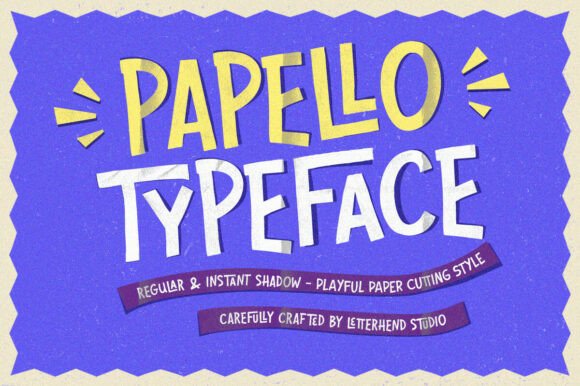
If you're in search of a font that brings a sense of whimsy and tactile charm to your design projects, Papello may be a typeface worth exploring. Designed to evoke the look and feel of hand-cut paper, Papello stands out with its irregular outlines, uneven edges, and all-caps letterforms that exude a handcrafted aesthetic. Whether you're designing for print or digital media, this font offers a distinctive visual style that can elevate creative projects requiring a playful, approachable tone.
Understanding Papello’s Design and Features
Papello is not your typical clean, digital font. Instead, it embraces imperfection—its letterforms are intentionally textured, with rough edges that mimic the appearance of paper cutouts. This deliberate irregularity is what gives Papello its unique personality and makes it ideal for designs that benefit from a tactile, artisanal feel.
One of the standout features of Papello is its built-in layered style, which includes an “instant shadow” effect. This design element adds depth and dimension without requiring additional graphic manipulation, making it easier for designers to achieve a standout look quickly. The font also supports PUA encoding, which means users can access alternate characters, swashes, and decorative elements without needing advanced software or complex workflows.
Why Designers Might Choose Papello
Designers often seek out Papello for projects that require a sense of warmth, creativity, and personality. Its playful nature makes it especially well-suited for:
- Children’s books – The whimsical style complements stories and illustrations aimed at younger audiences.
- Event posters – Particularly for festivals, craft fairs, or creative workshops that aim for a fun and inviting visual identity.
- Product packaging – Especially in the artisanal or handmade product space, where a tactile aesthetic is part of the brand experience.
- Educational materials – Its approachable look can make learning resources more engaging for students.
Because of its expressive character, Papello is often used for headlines, titles, and short bursts of text rather than long-form content. It works best when the goal is to draw attention and convey a sense of joy and creativity.
Benefits and Considerations
One of the key benefits of Papello is its ability to stand out visually without requiring additional design elements. The layered shadow effect, for example, can save time in the design process and still deliver a polished, dimensional look. Additionally, its PUA encoding makes it accessible across various platforms and design tools, allowing for greater flexibility in glyph selection and customization.
However, like any display font, Papello comes with tradeoffs. Its decorative nature can make it less readable in certain contexts, especially at smaller sizes or in dense text blocks. It’s also not ideal for formal or professional settings where clarity and neutrality are more important than visual flair.
Another consideration is file size and compatibility. While Papello is generally well-supported in modern design software, using layered or alternate glyphs may require specific tools or export settings. It’s also important to test how the font appears across different devices and mediums to ensure consistency in visual impact.
When Papello Is the Right Choice
If your project aims to convey a sense of playfulness, creativity, or craftsmanship, Papello could be an excellent fit. It shines in designs where personality and visual interest are prioritized over strict legibility or minimalism. Projects that benefit from a handmade or nostalgic aesthetic—such as vintage-inspired branding, craft-based marketing, or educational design—can particularly benefit from Papello’s unique texture.
Additionally, if you're looking to reduce design complexity, Papello’s built-in shadow effect can help you achieve depth without layering effects manually. This can streamline your workflow and maintain consistency across different design assets.
When Alternatives May Be Worth Exploring
While Papello offers a distinctive style, there are situations where alternative fonts may better suit your needs. For instance, if your design requires:
- High readability – Especially for body text or signage where clarity is crucial.
- Formal or minimalist aesthetics – In corporate branding, academic publishing, or sleek digital interfaces.
- Extended use across languages – Papello may not support a broad range of international characters or typographic conventions beyond Latin scripts.
In such cases, exploring fonts with cleaner lines or more versatile character sets may be more appropriate. Alternatives like Crafty, Scrap, or Handwritten Display fonts could offer similar charm with different stylistic nuances. Always test fonts in your actual design context to assess how they perform visually and functionally.
Practical Insights for Choosing Papello
When evaluating whether Papello aligns with your design goals, consider the following questions:
- What is the primary purpose of the text? – Papello works best for headlines, titles, and short text elements rather than long paragraphs.
- Who is the target audience? – If your audience responds to playful, handcrafted visuals—such as children, creative professionals, or hobbyists—Papello may resonate well.
- What other design elements are present? – Papello pairs well with simpler backgrounds and supporting graphics. Overly complex visuals may compete with its textured style.
- Is customization needed? – If you need access to alternate characters or want to personalize the look, Papello’s PUA encoding and glyph variety can be a significant advantage.
Testing the font in your actual design context—whether through mockups, sample prints, or on-screen previews—can help you make a more informed decision. Many font marketplaces offer trial versions or preview tools that allow you to see how Papello performs in your specific use case.
Final Thoughts
Papello is a distinctive display font that brings a sense of playfulness and tactile charm to the right design context. Its paper-cutting aesthetic, layered shadow effect, and accessible glyph options make it a versatile choice for creative projects that benefit from a handcrafted touch. However, like any design tool, it’s important to assess whether its visual style and functional characteristics align with your project’s goals and audience.
If you're looking for a font that adds warmth, character, and dimension without requiring extensive design work, Papello is worth considering. But if clarity, neutrality, or multilingual support are priorities, exploring alternative typefaces may be more appropriate. As always, the best choice depends on your specific needs, and testing fonts in context is key to making a confident decision.