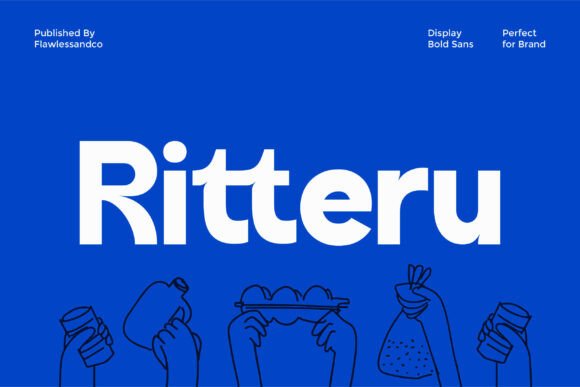
Ritteru: A Strategic Approach to Bold Typography in Modern Branding
In the crowded landscape of digital and print media, the choice of typeface is rarely just an aesthetic decision; it is a strategic component of communication. Ritteru emerges as a distinct solution for designers and brand managers seeking a font that balances exceptional weight with approachable geometry. As a modern, bold sans-serif display font, Ritteru is engineered to deliver strength, clarity, and high-impact visuals in every layout. It serves not merely as a decorative element but as a functional asset that anchors a design system, ensuring that messages are received with authority and trust.
Understanding how to integrate Ritteru into a creative workflow requires looking beyond its visual characteristics. It demands an appreciation of its role in the broader process of brand identity development, from the initial concept phase to final execution across various platforms. Whether you are a freelance designer crafting a logo or a marketing team launching a corporate campaign, the implementation of this typeface can streamline your workflow and enhance the perceived quality of your output.
The Design Philosophy Behind Ritteru
To utilize Ritteru effectively, one must first understand the specific design choices that define its character. This powerful, contemporary Display Bold Sans font is characterized by its exceptionally heavy weight and distinctive, smooth curves. These features create an incredibly friendly yet professional visual impact that sets it apart from rigid, purely geometric sans-serifs often found in generic design libraries.
The typeface expertly blends modern simplicity with approachable geometry. A critical observation for any designer is the gentle rounding of the terminals and the unique slightly humanist touch in letters like R and r. These subtle details prevent the font from feeling too sterile or cold, a common pitfall when working with ultra-bold weights. Instead, they inject a sense of warmth and accessibility, making the font highly effective for brand identity, headlines, logotypes, and packaging where a strong, memorable, and trustworthy voice is essential.
This balance is crucial in the planning stage of a project. When selecting a primary display font, the goal is often to find a typeface that can carry the emotional weight of the brand without sacrificing legibility. Ritteru achieves this through its clean, impactful glyph structure, which ensures excellent readability even at a distance or against busy backgrounds. This makes it an indispensable asset for designers focused on consumer goods, technology, and corporate branding that needs a modern edge.
Integrating Ritteru into the Creative Workflow
The integration of Ritteru into a design process should begin during the conceptualization phase, well before the first pixel is placed. For professionals aged 20–50, including entrepreneurs and marketers, the selection of typography is often tied to the definition of brand values. If the objective is to project confidence, stability, and innovation simultaneously, Ritteru fits naturally into the brief.
Pre-Project Planning: Before committing to a full design suite, it is advisable to test Ritteru in isolation. Create a simple mood board or a typographic specimen sheet to evaluate how the heavy weight interacts with different color palettes and textures. Because the font dominates the canvas with its solid presence, it often dictates the negative space required around it. Understanding this spatial requirement early prevents layout issues later in the production cycle.
During Execution: In the active design phase, Ritteru excels in delivering a bold, no-nonsense statement while maintaining a refined aesthetic. It is particularly useful for headlines and large-scale signage where visibility is paramount. When working on digital advertising or editorial spreads, the font's clean geometry allows it to cut through visual noise. Designers should consider pairing Ritteru with lighter, more neutral sans-serifs or serif fonts for body copy to create a clear hierarchy. This contrast ensures that the heavy impact of Ritteru does not overwhelm the reader when consuming longer texts.
Post-Production and Consistency: Once the design is finalized, the focus shifts to consistency across touchpoints. Ritteru brings a fresh and contemporary character that stands out effortlessly in both digital and print designs. However, maintaining this quality requires strict adherence to style guides. Ensure that kerning and tracking are adjusted specifically for the heavy weight of the font, as tight spacing can sometimes lead to visual crowding in such bold typefaces. Regular audits of assets ensure that the brand voice remains unified whether the user is viewing a mobile ad or a billboard.
Practical Use Cases and Industry Applications
The versatility of Ritteru extends across multiple industries, provided the application aligns with the font's inherent strengths. Its ability to blend strength with friendliness makes it suitable for sectors that need to establish immediate credibility.
- Technology and SaaS: In the tech sector, where products often deal with complex data or abstract concepts, a font that feels solid and reliable is vital. Ritteru can be used for app icons, dashboard headers, and landing page hero sections to convey stability and cutting-edge capability.
- Consumer Goods and Packaging: Packaging design relies heavily on shelf impact. The heavy weight of Ritteru ensures that product names stand out in retail environments. The rounded terminals add a tactile quality that suggests premium craftsmanship, appealing to consumers looking for quality assurance.
- Corporate Branding: For businesses rebranding to appear more modern and approachable, Ritteru offers a way to shed outdated, rigid aesthetics. It works exceptionally well for company logos, business cards, and annual reports, projecting a forward-thinking image.
- Digital Advertising: With the rise of programmatic advertising and social media feeds, attention spans are short. Ritteru's maximum visibility makes it perfect for call-to-action buttons, banner ads, and social media graphics where the message must be grasped instantly.
Optimizing Usability and Compatibility
Successful implementation of any display font involves technical considerations regarding compatibility and usability. While Ritteru is designed for high impact, it must function smoothly within the tools and platforms used by the creative team.
File Formats and Licensing: Ensure that you have the appropriate file formats (OTF, TTF, WOFF2) for your specific workflow. For web projects, optimized variable fonts or web-safe formats are essential to maintain load times without compromising the visual fidelity of the bold strokes. Always verify licensing terms, especially for commercial use in client work, to avoid legal complications down the line.
Responsive Design Considerations: When using Ritteru in digital environments, responsiveness is key. The heavy weight that looks impressive on a desktop monitor may require adjustment on smaller mobile screens. Designers should implement fluid typography techniques, perhaps reducing the font size slightly on mobile devices while maintaining the weight to preserve the brand's bold character. Testing across various devices and operating systems ensures that the rendering remains crisp and consistent.
Accessibility and Legibility: One of the strongest arguments for using Ritteru is its legibility. The clean glyph structure aids users with visual impairments, provided the contrast ratios meet WCAG standards. However, due to its density, it is generally best reserved for headings and short statements rather than long paragraphs. Adhering to this rule enhances the overall user experience and ensures that the design is inclusive.
Long-Term Value and Brand Evolution
Investing time in mastering a typeface like Ritteru yields long-term benefits for any organization or individual creator. Unlike trend-driven fonts that may feel dated within a year, Ritteru's foundation in humanist geometry and modern simplicity gives it staying power. It is built to evolve with the brand, capable of adapting to new trends in background colors, imagery, and layout styles without losing its core identity.
For small business owners and freelancers, establishing a consistent visual language with a font like this reduces decision fatigue. Once the rules for using Ritteru are established—such as preferred pairings, sizing scales, and color combinations—the execution of future projects becomes faster and more efficient. This standardization allows teams to focus on content strategy and innovation rather than getting bogged down in basic stylistic choices.
Furthermore, the psychological impact of a well-chosen display font cannot be overstated. Ritteru communicates a "no-nonsense" attitude that resonates with modern audiences who value transparency and competence. By integrating this font into your workflow, you are signaling to your audience that your brand is confident, professional, and ready to engage.
Conclusion
Ritteru represents more than just a collection of glyphs; it is a tool for strategic communication. Its combination of heavy weight, smooth curves, and humanist touches provides a unique solution for designers navigating the complexities of modern branding. By understanding its design philosophy, integrating it thoughtfully into the creative process, and applying it across relevant use cases, professionals can leverage its potential to create impactful, memorable, and trustworthy visual identities. Whether for a startup launch, a corporate rebrand, or a personal portfolio, Ritteru offers the robustness and clarity needed to make a lasting impression in a competitive market.