Evaluating the Holizone Display Font
In the realm of digital typography, display fonts serve as the visual anchors for creative projects, setting the tone before a single word is read. Holizone stands out within this category as a typeface designed to evoke an ethereal, high-tech, or futuristic atmosphere. Unlike standard sans-serif options that prioritize legibility at small sizes, Holizone is engineered for impact, utilizing unique stark outlines and a bold structure to command attention. For designers and creators evaluating their typographic toolkit, understanding the specific characteristics, applications, and limitations of Holizone is essential for determining whether it aligns with project goals.
The Distinctive Visual Identity of Holizone
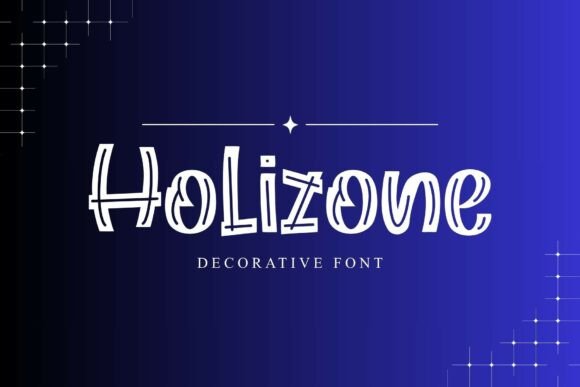
The defining characteristic of the Holizone font is its striking monoline outline style. In this construction method, letterforms are built solely from a single, consistent stroke width that leaves the interior of the characters open. This technique creates a wireframe or neon-like appearance, distinguishing it from solid-fill typefaces. The result is a design that feels lightweight yet robust, capable of mimicking the glow of illuminated signage without requiring additional graphic effects.
What further separates Holizone from rigid geometric sans-serifs is the subtle irregularity in its form. While the stroke width remains consistent, the shapes feature slightly rounded terminals and an unexpected, almost hand-drawn wobble. This intentional imperfection prevents the typeface from feeling overly machine-made or sterile. Instead, it introduces a human element that adds energy and character, balancing the futuristic aesthetic with a touch of organic rebellion. This combination of structural precision and playful variation makes the font visually arresting while maintaining a cohesive identity.
Strategic Applications and Strong Fits
When considering a font for a project, context is paramount. Holizone is not a general-purpose typeface; it is a specialized tool best suited for specific scenarios where visual impact takes precedence over dense information delivery. Its unconventional and bold design makes it an exceptional choice for several distinct use cases:
- Music and Event Promotion: The energetic and slightly rebellious nature of Holizone fits perfectly with music posters, techno-themed party flyers, and concert banners. The neon-like quality resonates with nightlife aesthetics, helping event branding stand out in crowded digital feeds and physical spaces.
- Gaming and Interactive Media: Video game titles and user interface elements often require a futuristic edge. Holizone's wireframe appearance complements sci-fi themes, cyberpunk settings, and high-tech environments, providing a clear visual message that aligns with the genre's expectations.
- Science Fiction Literature: Book covers in the science fiction and fantasy genres benefit from typography that suggests otherworldly concepts. The open structure of Holizone allows for creative layering with background imagery, making it a strong candidate for cover art where the title must integrate seamlessly with complex visuals.
- Futuristic Apparel and Merchandise: On clothing, logos, and merchandise, the bold outlines of Holizone translate well to various printing techniques, including screen printing and embroidery. The design offers a modern edge that appeals to audiences seeking contemporary streetwear styles.
Benefits and Design Advantages
Choosing Holizone offers several practical benefits for designers aiming to create a memorable brand identity. The primary advantage is its immediate atmospheric capability. By using a font that inherently suggests technology or futurism, designers can reduce the need for excessive graphical embellishments. The typeface itself carries the narrative weight, allowing the layout to remain clean while still delivering a strong thematic statement.
Furthermore, the open interior of the letters provides versatility in composition. Because the characters are outlines, they can be filled with gradients, images, or textures without losing legibility. This flexibility allows for dynamic designs where the text interacts directly with the background, creating depth and visual interest that solid fonts cannot achieve as easily. The "hand-drawn" wobble also aids in breaking up monotony, ensuring that large blocks of outlined text do not feel repetitive or boring.
Tradeoffs and Limitations
Despite its strengths, Holizone comes with significant tradeoffs that must be weighed during the selection process. The most critical limitation is readability. As a decorative display font, it is strictly intended for titles, headers, and short phrases. Attempting to use Holizone for body copy, paragraphs, or long-form text will result in poor legibility. The open outlines and stylized curves make it difficult for the eye to track lines of text, leading to reader fatigue and potential misinterpretation.
Additionally, the thinness of the monoline strokes can pose challenges at very small sizes or on low-resolution screens. The delicate nature of the outlines may cause gaps to close up or details to blur when scaled down, diminishing the intended effect. Designers must ensure that the font is used at a sufficient size to maintain the integrity of the wireframe structure. There is also the risk of the font feeling too niche; if a project requires a more neutral or corporate tone, the futuristic and rebellious vibe of Holizone may clash with the desired brand voice.
Decision-Making Insights: When to Choose Alternatives
To determine if Holizone is the right choice, creators should evaluate the primary goal of their communication. If the objective is to convey detailed information quickly and clearly, a standard sans-serif or serif font is a far superior alternative. Fonts designed for body text prioritize x-height, counter spacing, and stroke contrast to maximize readability, features that Holizone intentionally sacrifices for style.
Consider alternatives if the project involves:
- Long-form content: Articles, reports, or website body text require fonts with solid fills and traditional proportions.
- Small-scale applications: Mobile app icons, footnotes, or fine print often lack the resolution to support the intricate outlines of Holizone effectively.
- Formal or Traditional Branding: Industries such as law, finance, or healthcare typically benefit from more conservative, established typefaces that convey stability rather than futuristic experimentation.
However, if the project demands a headline that screams innovation, energy, or a departure from the norm, Holizone is a compelling option. It serves as a fresh, energetic alternative to standard display fonts, offering a distinctive glow and modern edge that can elevate a design from generic to iconic. The key lies in restraint: using Holizone sparingly for maximum impact ensures that its unique character enhances the overall design without overwhelming the viewer.
Conclusion
Holizone represents a specific intersection of functionality and artistic expression. It is a powerful tool for those needing to establish a futuristic, high-tech, or edgy atmosphere instantly. By understanding its monoline outline structure, its suitability for short phrases, and its limitations regarding legibility, designers can make informed decisions about its integration into their work. When used appropriately in contexts like gaming, music, and sci-fi design, Holizone delivers a clear and impactful visual message. However, recognizing when to pivot to more utilitarian typefaces is equally important for ensuring effective communication across all aspects of a project.