Dive Headfirst into the Digital Age: A Deep Dive into the Caples Y2K Font
The early 2000s were a unique moment in design history, a time when the digital frontier was being mapped with glossy textures, futuristic optimism, and an unapologetic embrace of technology. Today, that era is experiencing a massive resurgence, not just as a trend, but as a foundational aesthetic for modern street style and digital culture. At the forefront of this revival is Caples, a bold, high-contrast display font that perfectly captures the nostalgic, liquid essence of the Y2K aesthetic. If you are looking to inject your projects with the energy of the new millennium, understanding how to utilize Caples is essential.
The Essence of Y2K Design and Modern Typography
To truly appreciate Caples, one must first understand the visual language it emulates. The Y2K aesthetic, often associated with the turn of the century, was defined by a specific set of design principles: chrome finishes, iridescent gradients, chunky interfaces, and a sense of "tech-girly" futurism. It was an era where the internet felt like a magical, unknown place, and design reflected that wonder with dramatic flair.
In typography, this translated to fonts that were loud, confident, and structurally complex. Unlike the clean, minimal sans-serifs that dominated the mid-2010s, Y2K typefaces embraced exaggeration. They featured rounded terminals, varying stroke widths, and a playful proportion that made them feel alive. Caples is not merely a font; it is a time capsule that brings back the glossy, futuristic drama of that period while refining it for contemporary screens and print media.
Defining the Look: High Contrast and Liquid Forms
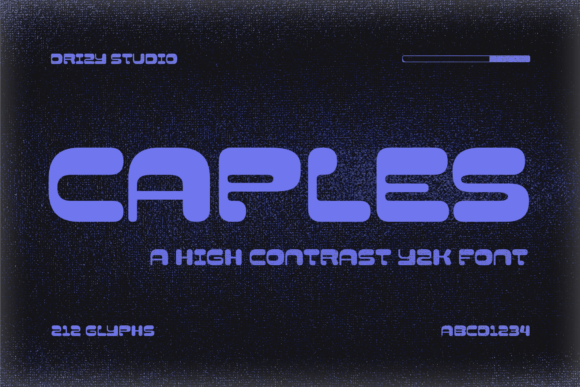
What sets Caples apart from other retro-inspired typefaces is its exceptional attention to contrast and form. The font is characterized by bold curves and razor-sharp edges that create a captivating visual tension. This tension is achieved through deep, dramatic differences in stroke thickness. You will notice subtle thins juxtaposed against massive, bubble-like bolds, giving the letters a sense of movement and fluidity.
This "liquid" quality is crucial. It mimics the way light reflects off polished surfaces or the way early 3D software rendered objects. The result is a typeface that feels both organic and manufactured—a perfect metaphor for the digital age itself. The low x-height and close-knit letterforms further enhance this effect, creating a compact, groovy footprint that stands out even at smaller sizes, though it truly shines when used as a headline.
Practical Applications: Where Caples Shines
Because Caples is designed to be a centerpiece, it is not intended for body text. Instead, it excels in scenarios where immediate impact is required. With 212 unique glyphs, the font offers enough versatility to handle various creative needs without losing its distinctive character. Here are some of the most effective ways to integrate Caples into your workflow:
- Music Album Covers: The edgy, high-energy vibe of Caples makes it ideal for pop, hip-hop, and electronic music releases. Its dramatic strokes can convey the rhythm and intensity of the music before a single note is played.
- Video Game Branding: In the gaming world, aesthetics are everything. Caples fits seamlessly into sci-fi, cyberpunk, or retro-futuristic game titles, instantly signaling to players that they are entering a world of chunky tech and neon lights.
- Fashion Editorials and Logos: For brands targeting Gen Z or those embracing streetwear culture, Caples provides an instant connection to the "cool factor." It works beautifully on clothing tags, lookbook headers, and brand logos that need to scream confidence.
- Social Media Graphics: In the fast-paced environment of Instagram, TikTok, and Twitter, visuals need to stop the scroll. Caples' bold proportions ensure that headlines and promotional text are readable and striking, even on small mobile screens.
- Experimental Posters and Stickers: Whether for street art, concert promotions, or personal branding, the font's unique shapes make it a favorite for designers who want to break away from standard grid systems.
Navigating Common Misunderstandings About Retro Fonts
When diving into the world of retro typography, there are several common assumptions that can hinder a designer's success. One frequent misunderstanding is that "retro" means "dated." Many assume that using a Y2K font will make a project look old-fashioned rather than stylish. However, the key lies in context and execution.
Caples avoids this pitfall by balancing nostalgia with modern refinement. While it evokes the past, its crisp vectors and optimized spacing ensure it looks sharp on 4K displays and high-resolution prints. Another misconception is that high-contrast fonts are difficult to read. While true for long paragraphs, Caples is engineered specifically for display use. When used correctly—as a title, a logo, or a short tagline—its readability is enhanced by its distinct shape, making it memorable rather than confusing.
Furthermore, some designers believe that Y2K design is purely about clutter and chaos. In reality, the best examples from that era, and the best applications of Caples today, rely on strong hierarchy and intentional negative space. The font's chunky forms demand room to breathe; crowding them too much can dilute their impact. By treating Caples with respect and allowing its dramatic strokes to define the layout, you achieve a look that is simultaneously playful, vintage, and high-energy.
Integrating Caples into Your Creative Workflow
For businesses and creatives looking to stand out, adopting a font like Caples is more than just a stylistic choice; it is a strategic move to align with current cultural currents. The Y2K aesthetic has moved from niche subcultures to mainstream fashion and marketing. Brands that successfully tap into this nostalgia often see higher engagement rates among younger demographics who view the era through a lens of romanticized optimism.
To get started, consider pairing Caples with complementary elements. Because the font is so dominant, it pairs well with simple, geometric sans-serifs for body copy, ensuring that the message remains clear while the headline grabs attention. Color palettes should also reflect the font's heritage: think metallic silvers, electric blues, hot pinks, and holographic greens. These colors amplify the "glossy" feel inherent in the typeface's design.
Whether you are designing a sticker pack for a startup, creating a poster for a local festival, or rebranding a music label, Caples offers a toolset that is ready for action. It invites you to experiment with scale, rotation, and texture. Don't be afraid to stretch the letters or overlay them with gradients to mimic the early internet graphics that inspired the design.
Conclusion: Embracing the Future of Nostalgia
The digital age is constantly evolving, yet it frequently looks backward to find inspiration for what comes next. Caples represents this cyclical nature of design, bridging the gap between the chunky tech of the early 2000s and the sleek demands of modern digital media. By understanding its unique characteristics—the high contrast, the liquid curves, and the compact proportions—you can unlock a level of creativity that resonates deeply with audiences today.
As you dive headfirst into your next project, remember that typography is more than just words; it is the voice of your brand. Caples speaks with a volume that is impossible to ignore, offering a nostalgic punch that feels fresh and exciting. Whether for posters, branding, logos, or social media, this unique typeface stands ready to help you capture the spirit of an era that never truly left us. Embrace the drama, celebrate the curves, and let your designs shine with the unmistakable glow of the Y2K future.