Day Honey: A Strategic Choice for Modern Design Projects
Choosing the right typeface is more than a design decision—it’s a strategic move that influences how your message is received. Day Honey is a casual display font that blends modern simplicity with a playful, approachable vibe. At first glance, it may seem like just another stylish option, but when used intentionally, Day Honey can enhance communication, reinforce brand identity, and support long-term creative goals. Whether you're a marketer building a campaign, a small business owner designing packaging, or a creator curating your online presence, understanding how to use Day Honey effectively can make a meaningful difference.
Understanding Day Honey: More Than Just a Pretty Typeface
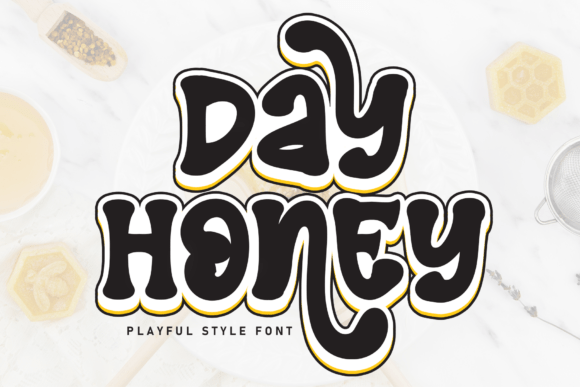
The appeal of Day Honey lies in its clean shapes, soft edges, and well-balanced letterforms. These characteristics give it a relaxed, personable feel without sacrificing readability. Unlike more rigid or formal fonts, Day Honey brings warmth and accessibility to any visual project. It’s designed to stand out while remaining approachable—an ideal combination for brands and creators aiming to connect with audiences on a human level.
Its versatility is one of its strongest assets. Whether used in digital or print formats, Day Honey adapts well to a variety of contexts. From social media graphics to product packaging, this font can support a wide range of visual storytelling needs. But like any design tool, its value is maximized only when used with intention and clarity of purpose.
Strategic Use of Day Honey in Branding and Communication
In branding, consistency and tone matter. Day Honey can help establish a brand voice that feels friendly, modern, and authentic. Consider how tone translates visually—Day Honey’s soft curves and casual appearance can suggest warmth, creativity, and openness. These are valuable traits for brands looking to build trust and foster connection with their audience.
- Use Day Honey in logo design for a boutique, lifestyle brand, or wellness business to evoke a sense of calm and approachability.
- Incorporate it into packaging design for products that emphasize natural ingredients, simplicity, or artisanal quality.
- Apply it to social media posts that highlight behind-the-scenes content, customer stories, or community engagement.
When aligning your typography with your brand strategy, think beyond aesthetics. Ask: Does this font reflect who we are and who we want to connect with? Day Honey can be a powerful tool when it fits naturally within your brand narrative.
When to Use Day Honey—and When to Avoid It
Not every project benefits from a casual display font. Day Honey shines in environments where warmth, creativity, and friendliness are central to the message. It works well for:
- Event posters and invitations
- Children’s books or educational materials
- Branding for cafes, bakeries, and lifestyle brands
- Personal blogs and influencer content
- Mobile app interfaces and digital products with a casual tone
However, it may not be the best choice for formal documents, technical reports, or corporate communications where authority and precision are key. The key to using Day Honey effectively is context. If the tone of your project doesn’t match the personality of the font, the result can feel mismatched or unprofessional.
Planning for Long-Term Visual Consistency
Typography is a critical component of long-term brand consistency. If you're integrating Day Honey into your visual identity, consider how it will work alongside your primary font and color palette. A well-thought-out typographic system ensures that your design choices remain cohesive across different platforms and over time.
Here are a few planning tips:
- Pair Day Honey with a clean sans-serif or serif font for contrast and balance.
- Create a style guide that defines when and how Day Honey should be used across different media.
- Test the font in various sizes and backgrounds to ensure legibility in all applications.
By treating your typography as part of a broader design strategy, you avoid the trap of making random or reactive design decisions. Instead, you build a visual language that supports your brand’s long-term goals.
Avoiding Common Pitfalls: Don’t Let Style Overshadow Substance
One of the most common mistakes when using a distinctive font like Day Honey is prioritizing style over strategy. While the font’s playful nature can make designs feel fresh and engaging, it can also become a distraction if not used thoughtfully. For example, using Day Honey in a long-form article or a data-heavy presentation can hinder readability and reduce the perceived professionalism of the content.
Another risk is overuse. Relying too heavily on a single font can make your design feel one-dimensional. To avoid this, use Day Honey as an accent or headline font rather than the default for all text. This approach maintains visual interest while preserving clarity and function.
Day Honey in Creative Projects: Supporting Productivity and Expression
Creativity thrives when tools align with purpose. Day Honey offers a unique blend of personality and clarity that can enhance creative projects, especially those that aim to feel personal, human, or expressive. For bloggers, educators, and content creators, using this font in headers or visual assets can help establish a visual rhythm that supports engagement.
Consider how typography influences the reader’s experience. A clean, approachable font like Day Honey can make your content feel more inviting and digestible. This subtle influence can support productivity by making the design process more intuitive and enjoyable, especially when working on time-sensitive or high-volume projects.
Real-World Examples of Day Honey in Action
To better understand how Day Honey can be used strategically, let’s look at a few real-world applications:
- A local coffee shop branding: Day Honey is used in signage and packaging to reflect a cozy, welcoming atmosphere. Paired with a minimalist layout and warm color tones, it reinforces the brand's commitment to comfort and quality.
- An online course landing page: Used in the headline and call-to-action buttons, Day Honey adds a friendly tone that encourages engagement without feeling overly salesy.
- A children’s book illustration: The font’s soft, rounded edges complement the playful illustrations and make the text feel more accessible to young readers.
In each of these examples, Day Honey isn’t just a design choice—it’s a strategic tool that supports the project’s goals and audience experience.
Final Thoughts: Use Day Honey with Purpose
Fonts like Day Honey offer more than visual appeal—they provide an opportunity to shape how your message is perceived. When used with intention, this font can elevate your design, support your brand voice, and enhance the overall user experience. But without clear goals or strategic alignment, even the most attractive typeface can fall flat.
As you incorporate Day Honey into your projects, ask yourself: Does this font help me communicate more effectively? Does it align with the tone and purpose of my message? By answering these questions thoughtfully, you’ll ensure that your design choices contribute to long-term success rather than fleeting trends.